
Author: Veli Ndaba
“How you see yourself determines what you see for yourself, Are You Externally or Internally Driven?.” Veli Ndaba – ‘The NeuroEngineer’ Self-esteem represents an overall evaluation of oneself – the extent to which one feels positively rather than negatively toward oneself – and views oneself as a person of value and worth. Contingent self-esteem is […]
“How you see yourself determines what you see for yourself, Are You Externally or Internally Driven?.” Veli Ndaba – ‘The NeuroEngineer’
Self-esteem represents an overall evaluation of oneself – the extent to which one feels positively rather than negatively toward oneself – and views oneself as a person of value and worth. Contingent self-esteem is self-esteem that depends on meeting self-imposed standards or expectations for performance, approval, or acceptance in order to be maintained. Contingent means: dependent, conditional, subject to, based on, determined by.
Contingent self-esteem (CSE) is self-esteem based on the approval of others or on social comparisons. Certain events will shape one’s self-esteem when the individual bases their self-worth on the outcome of those events. The success or failure of any situation can result in fluctuations of an individual’s self-esteem and if they are Externally or Internally Driven.
A manifestation of someone with contingent self-esteem is excessive self-consciousness. Such excessive self-consciousness, as occurs with contingent self-esteem, involves extreme criticism of one’s self, concern of how they are perceived by their peers, and feelings of discomfort in social settings. One’s self-esteem is directly affected when domains of contingencies are used to measure one’s self-worth. Self-esteem can also be affected when an individual compares their appearance or success to that of someone else or when their self-esteem is contingent to the relationships around them.
People with high levels of CSE are prone to making social comparisons based on appearance. As a result, these individuals more than often feel diminished. Appearance related social comparisons are comparisons of one’s perceived appearance to the appearance of other people. Those who make social comparisons base their feelings of self-worth on meeting social standards and expectations.
Social media is notorious for creating unrealistic standards of beauty, success and happiness. Comparisons with media standards can cause an individual with high levels of CSE to acquire feelings of inadequacy.
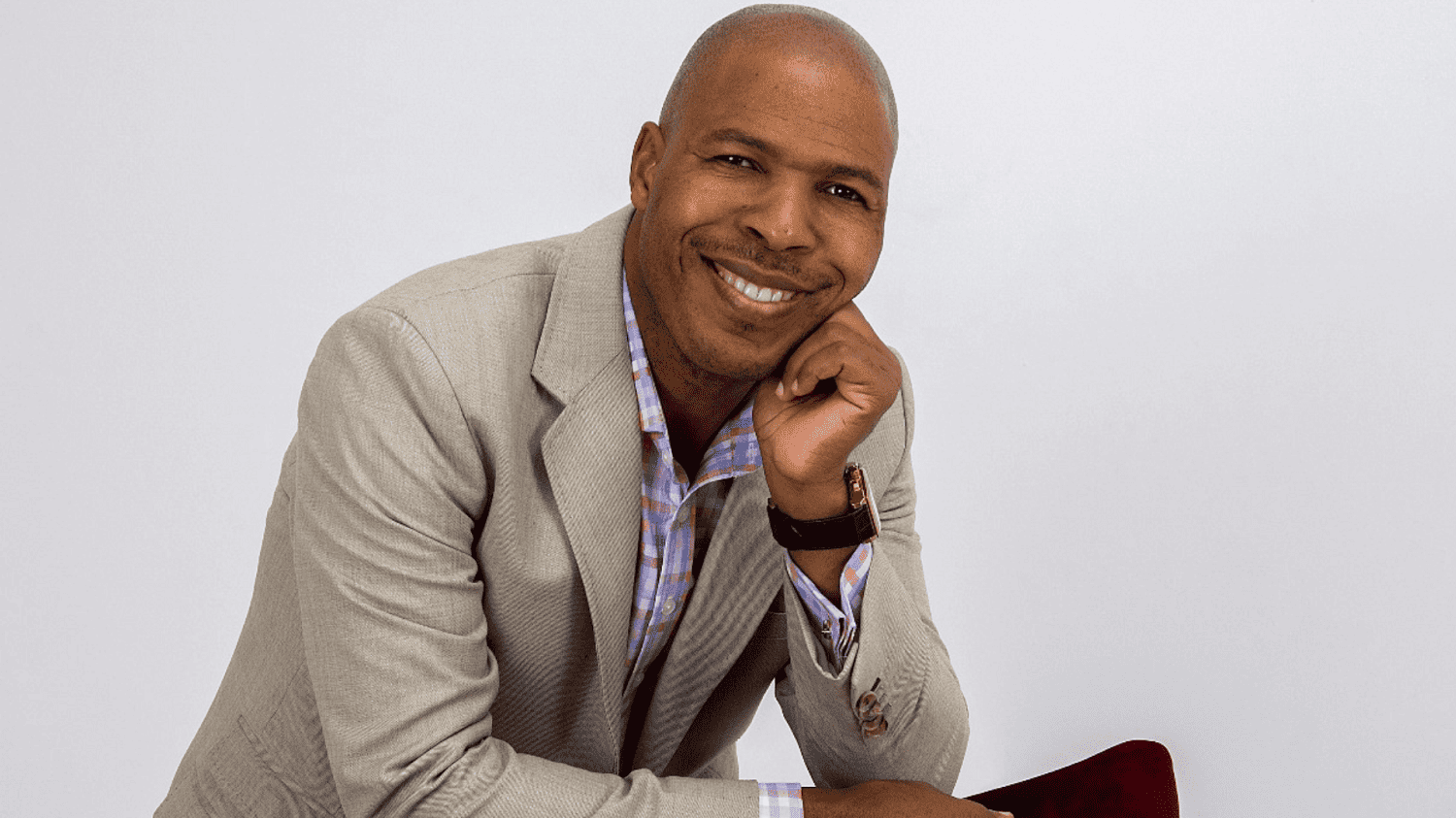
Veli Ndaba is a NeuroEngineering Leadership Effect Speaker and Trainer, Brain Coach and Author of four books (You Are Born to Win, Your Dream is Calling You and SWITCH ON! And Set Your Soul On Fire!) and Newspaper Columnist. To book him to speak at your next event or to help you and your team unleash your greatness, Are You Externally or Internally Driven?
Contact Us at WeSpeak Global and follow us on Twitter
The articles, video and images embedded on these pages are from various speakers and talent.
These remain the property of its owner and are not affiliated with or endorsed by WeSpeak Global.

As a seasoned frontline journalist and broadcaster, Mandy Wiener has a unique perspective on current affairs and A Country Worth Fighting For on how history unfolds in South Africa. Mandy has had a front row seat to the nine wasted years, the anatomy of the state capture project, the evisceration of state owned entities […]

Top Motivational Speakers South Africa in 2023 who are Inspiring Voices: The Best 5 Motivational Speakers in South Africa Motivation plays a crucial role in personal and professional development, and there is no shortage of inspirational figures in South Africa who have made a significant impact on the lives of many. In this article, we […]
Culture and Talent Retention is a real challenge and employees are looking for organizations that inspire them, uplift them and create opportunities for growth and progression. Of significant importance to retaining people is the ability of an organization to create alignment between what they say and what they actually do. Misalignment of value systems is […]
Aerial warfare of a whole different flavour has hit the open skies. Anti “Flying Pineapple” technology implemented by various private companies has become a thorny issue for the world’s biggest online retailer, Amazon furious about the use of anti-“Flying Pineapple” technology. Disclaimer: This article is a forecast of a possible future and should not be […]
In today’s fast-paced, rapidly changing world, with such high expectations of #leaders, the challenges for leaders are high demanding and complex and HOW TO AVOID BURNOUT. Know the most effective leaders are the ones that prioritize #selfcare. HOW TO AVOID BURNOUT – VIDEO It is only when you take care of your emotional well-being, […]

Thinking of Self Care When Burned Out as i was Heading to Dallas from Kansas City recently, I heard the familiar tone of the voice over the intercom start up: “Ladies and Gentlemen, we’ve got a full flight to Dallas today…” Travel is BACK and flights are almost always full again, so I couldn’t be […]

I was concerned about working virtually and leading through adversity so In March 2020, when the world shut down and my live event calendar was wiped clean As my speaking business went online, I wondered if it would survive the transformation. Would I still have an impact? Would I still matter? I’m sure you […]
Eddie Botes, Leadership and Culture Speaker wrote this article, Critical Thinking for the Adaptive Leader. VUCA is an acronym that is now well established as a description of the business world that we currently operate in. In a Volatile, Uncertain, Complex, and Ambiguous world, there is no going back to the familiar and predictable world before the global financial […]
No results available
Our Mission
© All rights reserved 2025. Created using VOXEL THEME