
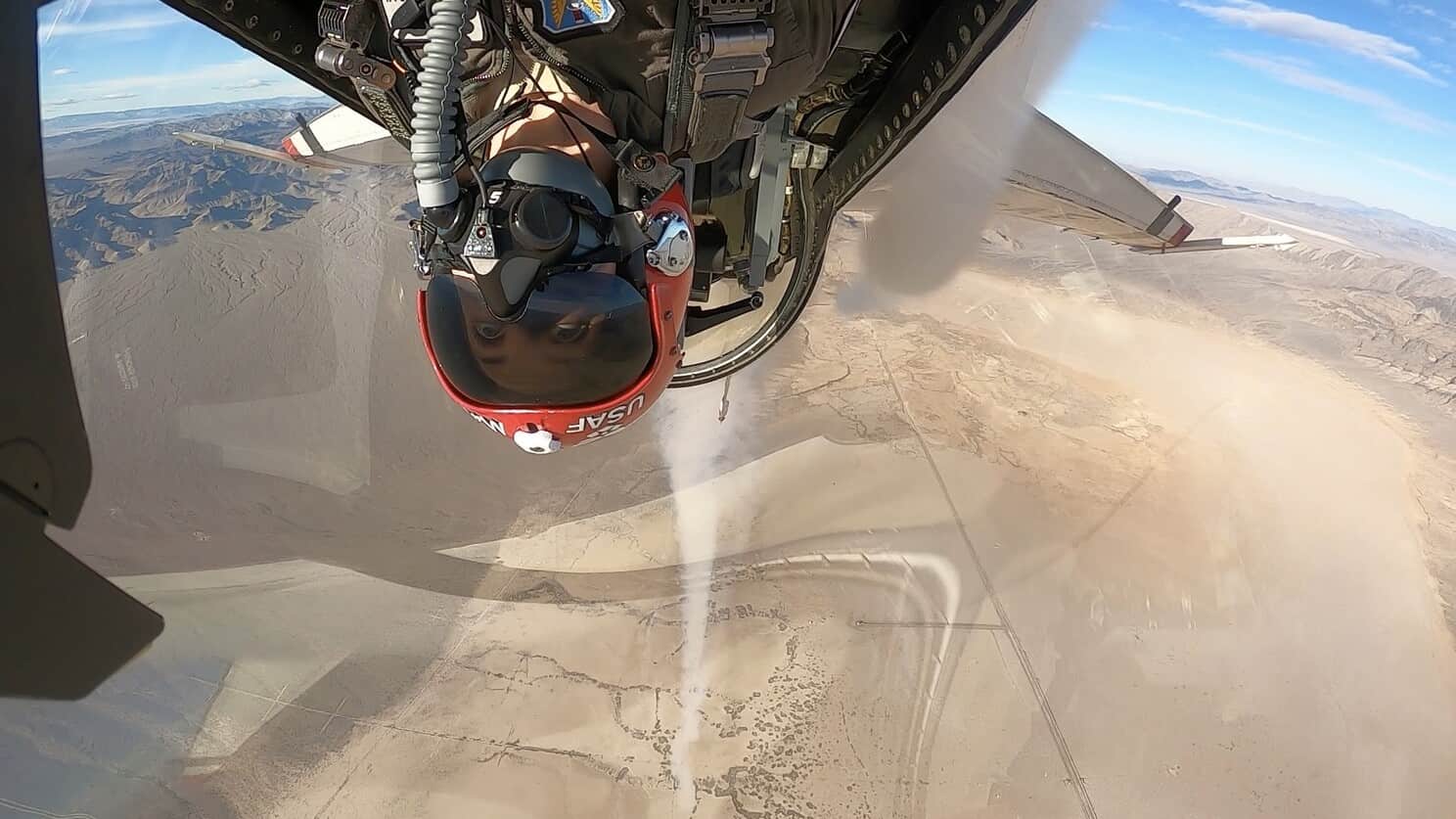
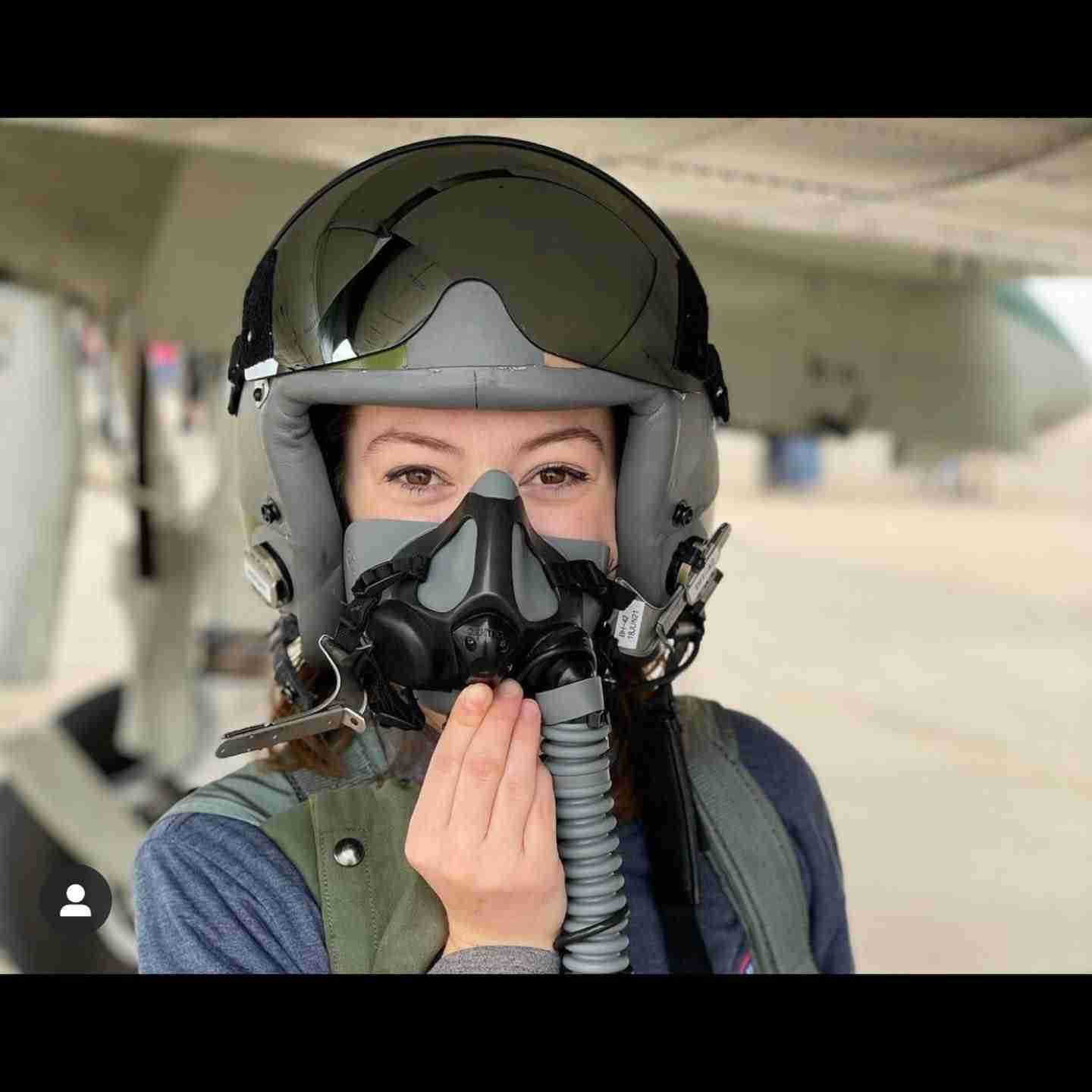
My mind jumped from one random thought to the next, my heart raced, and my mouth went dry, Using Are Eustressed to fuel performance. Radio calls were being made, but I wasn’t processing what was being said. I was behind the aircraft. I was experiencing a helmet fire. In reality, I was sitting securely in the cockpit and my helmet did not have smoke billowing from beneath it, but those are phrases we use to describe a feeling every fighter pilot knows. The feeling that you’re moving in slow motion, always a little too late. The mission is happening around you and you know your role, but your brain can’t keep up.
In this state, the stress level is high, and you are overwhelmed. You can rapidly become not just a non functioning member of your team, but a liability. This is not a place any pilot wants to find themselves, but one that is common when you are learning complex tasks.
Then you have the other end of the spectrum. While on the air refueling boom for the 5th time that day and hundredth time that month, I realized I was on autopilot. In fact, the autopilot was not engaged. I was flying the jet, maneuvering it precisely to hook up and remain in position while it took gas. However, my brain was not present. This had become routine. Like when you drive home and realize you don’t remember the last 15 minutes. Your brain is telling your body to do the things it has done over and over while you happily daydream about something else. This is not a place any pilot wants to find themselves, but one that is common when proficiency turns to routine turns to complacency.
So where do we want to find ourselves? Under just the right amount of stress. Positive stress, or eustress, is moderate stress that is beneficial to the person experiencing it. Some level of stress keeps us alert and focused. Too much and we find ourselves making poor decisions and focusing on the wrong thing. Too little and our attention drops, risking complacency.
A study by UC Berkeley showed that finding this ideal level of stress depends on three things: how much, how long, and how you perceive it. The pressure you are under and for how long may or may not be within your control, but how you perceive it is. In a recent interview, Harvard Professor Katie McLaughlin discussed the power of something called cognitive reappraisal. This is consciously changing how you view the stress your body is experiencing and reframing it in a positive way.
I feel anxious before stepping onstage to give a speech. I recognize it and tell myself that this is actually a sign of excitement. Does a looming deadline feel like a threat? Reframe it as a challenge. Are you nervous for a presentation you have to give? Tell yourself this is a sign you are alert and ready to perform at your best. This may sound silly, but you are essentially creating the placebo effect for yourself. Your beliefs are a powerful factor in your success.
This is just one technique used to manage stress to help you perform. A big source of stress is uncertainty. The unknown of trying something new or having to make a decision without all the information can be scary. Whether you are piloting an aircraft or leading a team there will often be times you must act when you aren’t 100% sure of the outcome, or when you wish you had a critical piece of missing information. When it’s the unknown that is making you stressed lean on what you do know and the skills you have. Odds are you have training or experience you can fall back on. Be confident in them.
Focus on what is most important. Learn to prioritize. A common saying heard in the pilot community is focus on the next closest alligator to the boat. There will often be more things competing for your attention than you have time for. Looking at it all can be overwhelming. What is the mission and what is the thing that has the biggest impact in moving you toward it? Focus on that.
Lastly, let go of what you don’t have control of. We can spend a lot of time and energy wishing we were under less pressure or had all the information. This leads to frustration and more stress. Two huge things you have control of are how you prepare for a situation and how you react to it. Focus on those.
So, are you feeling those butterflies in your stomach? That’s ok, get them to fly in formation by:
– Using cognitive reappraisal
– Focusing on what you do know
– Prioritizing the next closest alligator
– Letting go of what you can’t control
Article originally published by Mace Curran on LinkedIn
Contact Us at WeSpeak Global and follow us on Twitter